
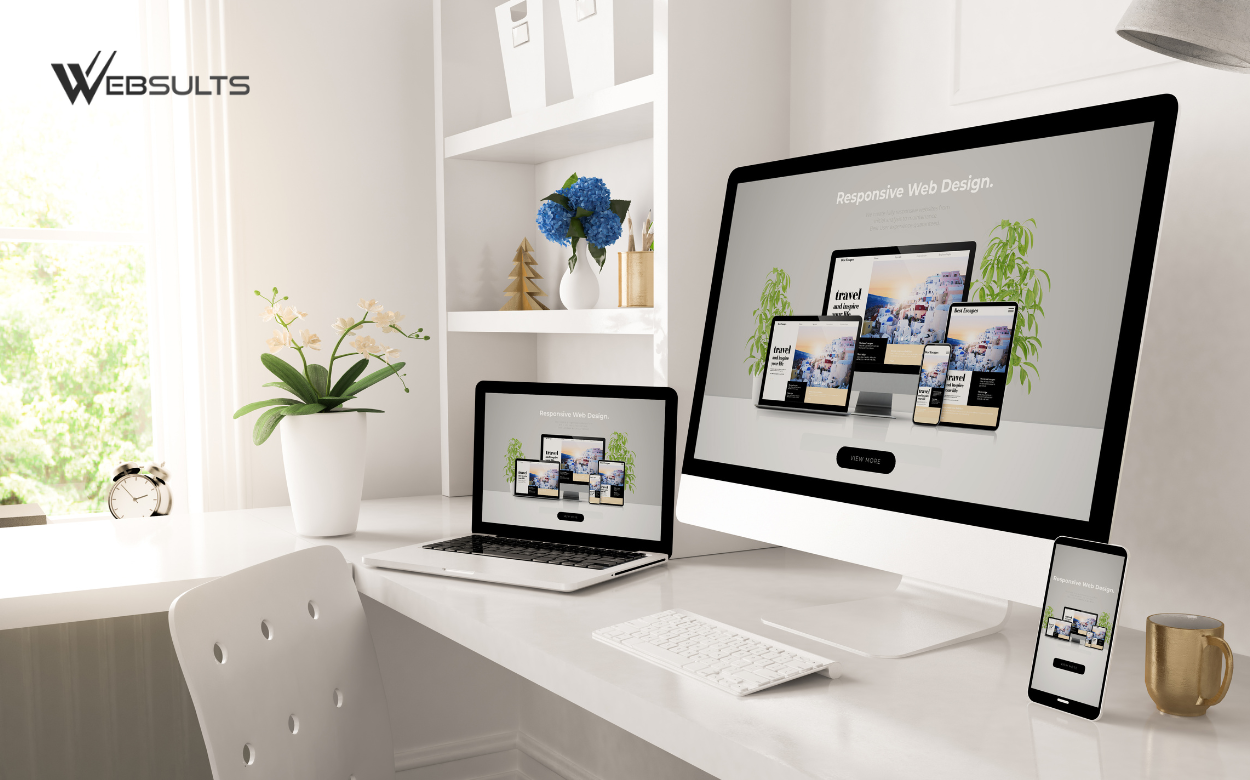
If you want to enhance the user experience for your website visitors, investing in high-end website design is one of the smartest decisions your business can make. In 2026, users expect fast-loading pages, premium visuals, clear navigation, and a website that feels as polished as the brand behind it. At the same time, Google continues to reward websites with strong UX, technical excellence, and authoritative content.
High-end web design goes beyond standard templates and simple layouts. It blends strategy, branding, performance, SEO, and functionality into a unified, expertly engineered digital experience. Whether you’re trying to stand out in a crowded industry, increase conversions, or present a premium image, an elevated website is now essential.
This guide explains what high-end website design really includes in 2026, key features to look for, and how it benefits your business.
Defining high-end website design
High-end website design takes the fundamentals of web design and elevates them through custom visuals, thoughtful strategy, detailed UX planning, and exceptional technical execution. Rather than relying on generic frameworks, every element is designed specifically for your brand’s goals, message, and audience.
A high-end website typically includes:
-
A fully custom design system
-
Strong brand storytelling
-
Conversion-focused content layouts
-
Mobile-first and accessibility-first design
-
Advanced performance optimisation
-
Scalable architecture
-
Seamless integrations and modern features
In short, high-end design isn’t just about aesthetics. It’s about aligning visuals, functionality, and strategy to drive measurable business growth.
Key features of high-end website design
1. Custom design and branding
Unlike templates, high-end websites are built from scratch to reflect your unique identity. This includes:
-
Bespoke colour palettes and typography
-
Custom page layouts for key sections
-
Unique icons, illustrations, and graphics
-
Photography and video that align with your brand
-
A consistent visual hierarchy that guides user attention
-
Story-driven design choices that strengthen your messaging
This level of customisation helps position your business as premium, trustworthy, and established.
2. Superior user experience (UX)
A great-looking website must be easy to use. High-end UX focuses on:
-
Clear and intuitive navigation
-
Logical information structure
-
Mobile-first usability
-
Accessibility aligned to WCAG 2.2
-
Fast load times across all devices
-
Smooth interactions (forms, menus, search, contact options)
When users enjoy browsing your site, they stay longer, explore more, and convert at higher rates.
3. Advanced functionality and features
High-end websites often include modern and interactive features that elevate the user experience. These may include:
-
AI-powered chat or search
-
Booking systems and e-commerce
-
Interactive product displays or calculators
-
Client portals and dashboards
-
Custom animations and micro-interactions
-
CRM and marketing automation integrations
-
Tailored contact and onboarding forms
These features should be purpose-driven, enhancing usability and supporting your business goals.
4. High-quality visual content
Visuals play a major role in conveying professionalism and trust. High-end web design integrates:
-
Professional photography
-
Cinematic hero videos
-
Custom diagrams or illustrations
-
High-resolution images optimised for speed
-
WebP and other modern formats
-
Visual storytelling to highlight your values and services
Strong visuals create emotional impact and improve how users perceive your brand.
5. SEO built directly into the design
A premium website is only effective if people can find it. High-end sites are built with SEO foundations from the beginning, including:
-
Semantic, well-structured HTML
-
Clean and meaningful heading hierarchy
-
Optimised metadata and URLs
-
Internal linking that improves navigation and indexing
-
Fast performance aligned with Core Web Vitals
-
Structured data for search engines
-
Mobile responsiveness and crawl efficiency
With these elements in place, your website is set up to attract more organic traffic over time.
6. Security and high performance
Users expect websites to be safe, fast, and dependable. High-end design incorporates:
-
SSL encryption
-
Reliable hosting and server optimisation
-
CDN integration for global speed
-
Daily or weekly backups
-
Malware and security monitoring
-
Regular updates to plugins and CMS
-
Performance testing and diagnostics
A secure, fast website improves trust and directly reinforces your brand’s professionalism.
7. Scalability and future-proofing
A premium website must be built to evolve. High-end design includes:
-
Modular design components
-
Flexible CMS setup
-
Ability to add new pages, features, and integrations
-
Clean and maintainable code
-
A long-term foundation that supports growth
This means you can expand without needing a full rebuild every few years.
Who needs high-end website design?
High-end website design is ideal for businesses that rely heavily on their online presence or want to present a premium image. It is especially valuable for:
-
Luxury brands
-
Professional services (law, finance, consulting)
-
Healthcare providers
-
Real estate firms and developers
-
Hospitality and tourism businesses
-
E-commerce stores with high-value products
-
Startups pitching to investors
-
Organisations wanting to stand out in competitive markets
If your website plays a critical role in credibility, lead generation, or customer experience, a high-end design is essential.
High-end design vs. template-based design
Template-based websites are cost-effective and quick, but they come with significant limitations:
-
Generic layouts used by many brands
-
Limited branding flexibility
-
Restricted customisation
-
Lower performance
-
Weaker SEO foundations
-
Difficult to scale
-
Reduced ability to integrate advanced features
High-end websites offer:
-
Unique, premium-level branding
-
A layout designed specifically for your business goals
-
Better conversions due to strategic UX
-
Faster performance and stronger SEO
-
More freedom to innovate and expand
While the investment is higher, the long-term returns are significantly greater.
How to choose the right designer or agency
When selecting a high-end web design partner, consider:
-
Portfolio quality and consistency
-
Case studies from relevant industries
-
Experience with UX, SEO, and modern development practices
-
Transparent communication and clear project processes
-
Capability to offer strategy, not just design
-
Post-launch support and maintenance
A reliable agency ensures your website looks exceptional, performs at a high level, and continues to evolve alongside your business.
The ROI of high-end website design
A premium website is not an expense – it’s an investment with measurable returns:
-
Higher conversion rates
-
Improved customer trust
-
Stronger brand authority
-
Longer time on site and lower bounce rates
-
Better SEO performance
-
Increased revenue from leads or online sales
-
A competitive edge in your market
Your website becomes a business asset instead of just an online brochure.
High-end website design trends for 2026
The digital landscape evolves rapidly. In 2026, the strongest trends include:
-
Luxury minimalist layouts
-
Soft motion design and micro-interactions
-
AI-powered personalisation
-
Cinematic hero sections
-
High-contrast, accessible interfaces
-
3D product or property showcases
-
Editorial-style typography
-
Ultra-fast, mobile-first experiences
These trends enhance the user experience and position your brand as innovative and modern.
People also ask
- What makes a website look high-end? High-end websites combine custom design, premium visuals, strong UX, and fast performance to create a polished, professional experience.
- How much does high-end website design cost in 2026? Costs vary by scope, features, and complexity. Custom websites range from a few thousand dollars to premium enterprise-level budgets.
- Does luxury web design improve conversions? Yes. Professional, refined design builds trust and encourages user action, leading to higher conversion rates.
- Which industries benefit most from high-end design? Luxury brands, professional services, healthcare, real estate, hospitality, and high-ticket e-commerce.
- How long does it take to build a high-end website?Most projects take 8–16 weeks depending on content, custom features, revisions, and integrations.
Conclusion
Investing in high-end website design enhances your online presence, strengthens your brand reputation, and drives measurable business results. As expectations rise in 2026, businesses that prioritise premium design and performance gain a significant competitive advantage.
If you are evaluating your current website and want to understand how it can be improved, consider partnering with Websults.
Visit the link below to request a proposal or ask questions about high-end website design:
Request a proposal from Websults
With a proven track record of strategic, custom WordPress design and development, Websults delivers high-end websites that look exceptional, perform flawlessly, and support your long-term growth.